
Recipe
Baked provolone, the original recipe
Provolone melted in an earthenware dish with oregano, served with garlic bread. Twenty minutes and three ingredients.
- Time
- 25 min
- Difficulty
- Easy
- Portions
- 4
Ingredientes
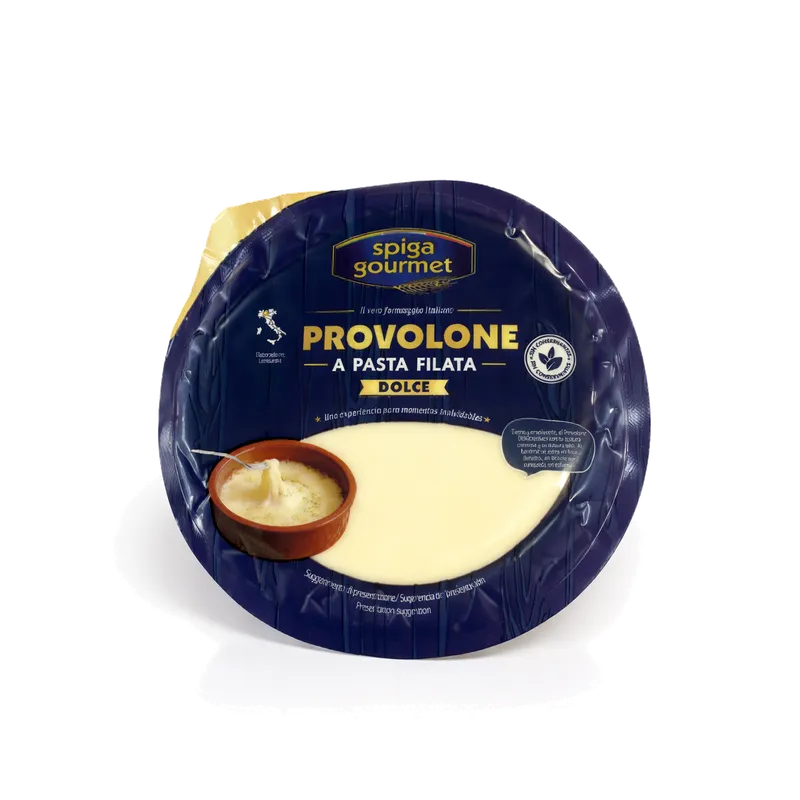
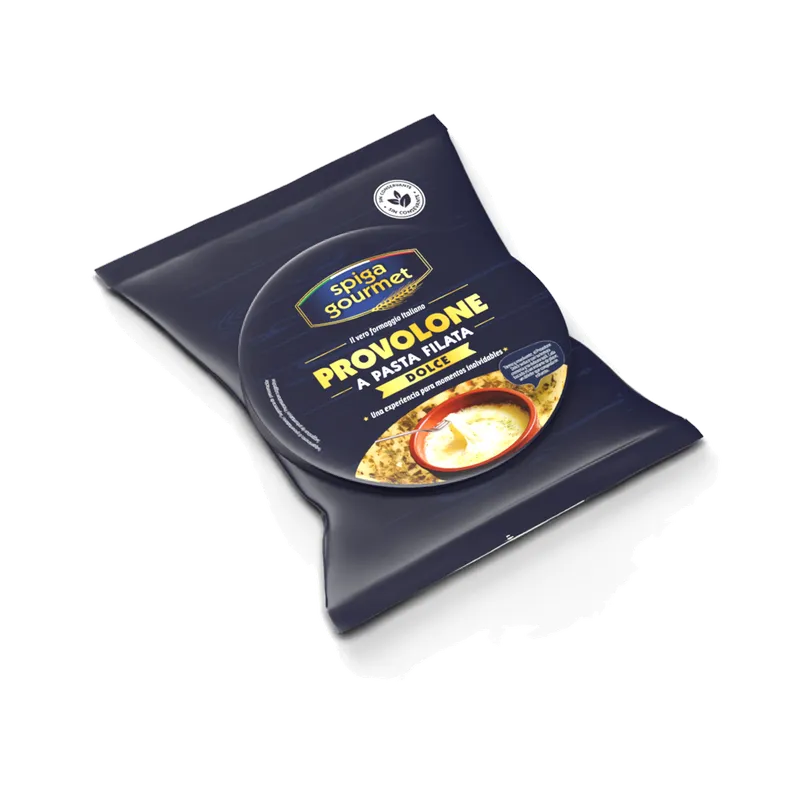
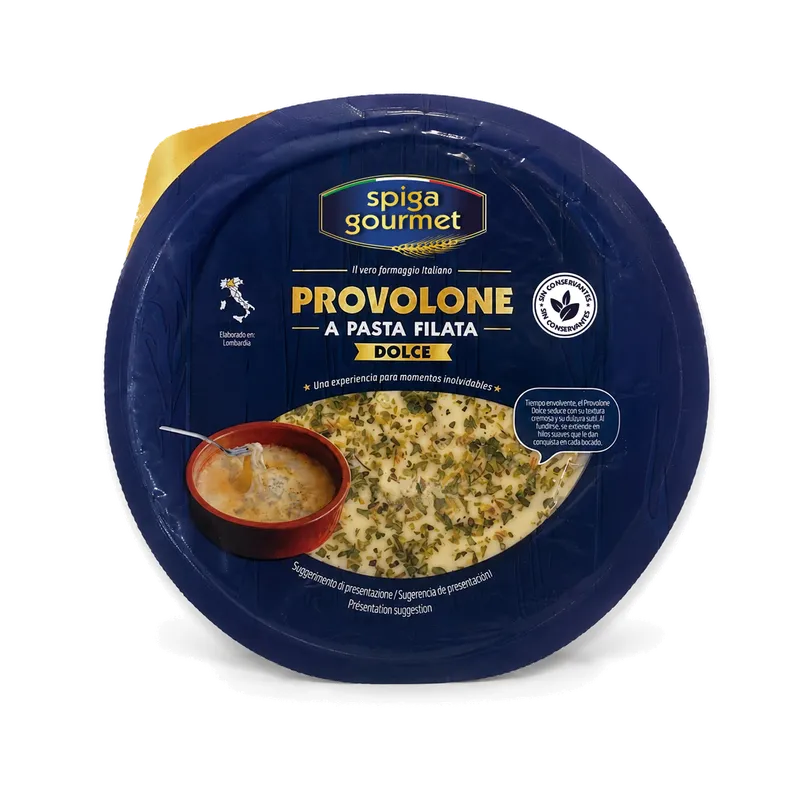
- 200 g Provolone dolce Spiga, as a portion or a thick slice
- 1 teaspoon dried oregano
- 1 teaspoon extra virgin olive oil
- A pinch of ground chilli (optional)
- 1 baguette or country loaf
- 50 g melted butter
- 3 garlic cloves, finely chopped
- Chopped parsley (optional)
Method
Preheat the oven to 200 °C, top and bottom heat. Put the provolone in an earthenware dish, or any ovenproof dish, in a single layer.
Drizzle the cheese with the olive oil and scatter the oregano over it. Add the chilli now if you want it hot.
Bake for 10 to 12 minutes, until it bubbles and the surface starts to colour. Do not take it further: fully browned, it releases its fat and turns oily instead of creamy.
While it bakes, slice the bread without cutting through the base, so the slices stay joined at the bottom like an accordion.
Mix the melted butter with the chopped garlic and parsley, and brush the mixture between the slices.
Put the bread in the oven for the last 3 to 5 minutes, until golden and crisp. Take both out together and serve the cheese in its own dish, which keeps it molten at the table.
Baked provolone is the most rewarding Italian starter there is: three ingredients, twenty minutes and a dish that reaches the table still molten. It sells itself on a menu and works just as well at home.
Which provolone to use
Dolce, not piccante. Provolone dolce is aged for two to three months and melts cleanly, without splitting. Piccante goes past six months, carries far more free fat and breaks in the oven: it releases oil and leaves the cheese rubbery. This recipe always calls for dolce.
Portions beat slices. The 150 and 180 gram portions already come at the thickness the oven needs. A thin slice dries out before the inside melts; a whole portion melts from the outside in and stays creamy.
With oregano, if you want to skip a step. Spiga provolone also comes with the oregano already on it from the factory, and then it goes straight into the oven.
Getting the timing right
The recipe fails in the same place every time: it stays in the oven too long. The cheese is ready when it bubbles across the whole surface and starts to colour at the edges, not when it is fully browned. At that point the casein still holds the fat and the cheese pulls into strands. A minute later it lets go, and what is left is a pool of oil under a crust. Ten to twelve minutes at 200 °C is the range, but your eyes decide.
The earthenware dish is not decoration. Clay stores heat and gives it back slowly, so the cheese stays molten for ten minutes at the table. In a metal dish it sets before the second round of bread arrives.
How to serve it
With garlic bread, as the recipe has it, or simply with toast. On a menu it works well alongside cherry tomatoes roasted in the same dish, a few basil leaves added as it comes out, or a little truffle oil if the aim is to price it higher.
It is a dish for sharing: 200 grams serves four as a starter, or two as a main.
Frequently asked questions
What is provolone cheese? An Italian cow’s milk pasta filata cheese from the south of Italy. The curd is stretched hot, as it is for mozzarella, then shaped, brined and hung to age. That is where its elastic texture and its melting behaviour come from.
Can it be made in a pan? Yes, over medium heat and covered, though the result differs: in the oven the heat reaches every side and the cheese melts evenly; in a pan the base browns before the centre softens.
What about an air fryer? That works too, at 180 °C for 6 to 8 minutes. Check it at five: circulating hot air browns much faster than an oven.
Does provolone contain lactose? Like every aged cheese, very little: lactose is consumed during maturation. The exact figure for each reference is on its technical data sheet.
Can leftovers be reheated? Reheated, it does not recover its texture. This is a recipe to make right before serving.